



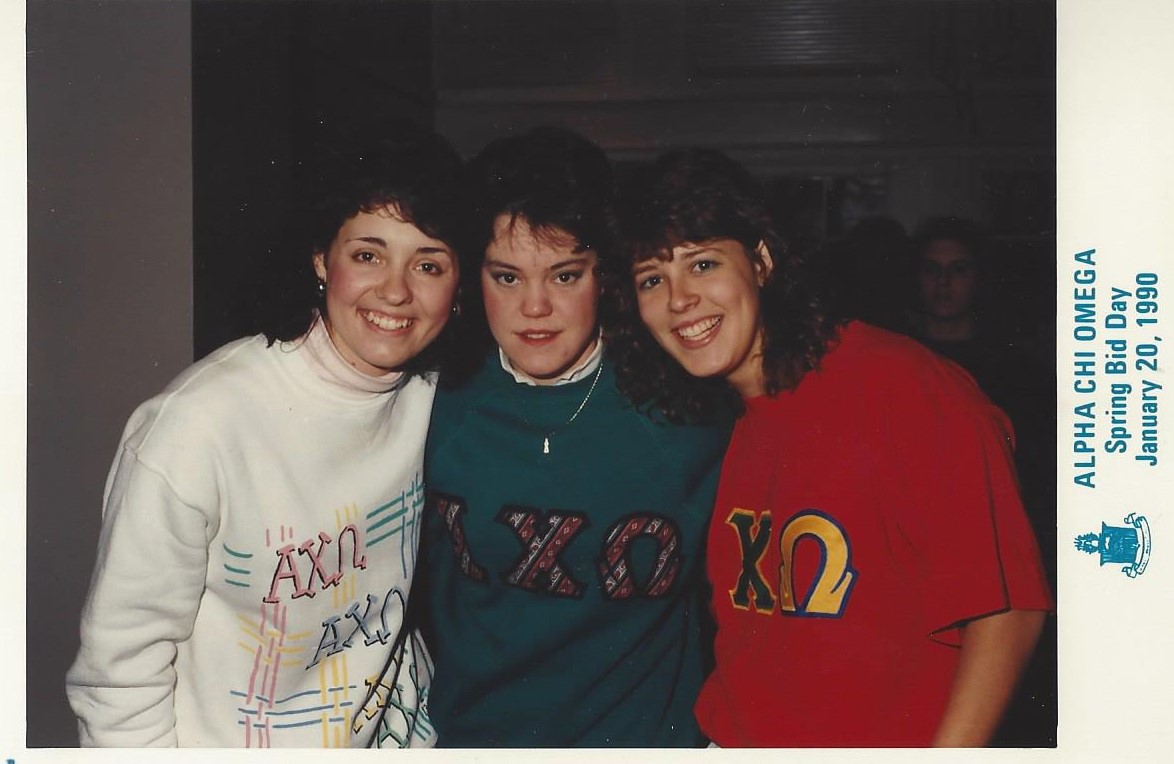
For 140 years, Alpha Chi Omegas have shown up to campus not just as students and leaders, but as trendsetters. From Victorian shirtwaists to the revival styles filling closets today, each generation of college women has expressed confidence and creativity through what they wore. This quick fashion journey highlights how Alpha Chi style has evolved, era by era.
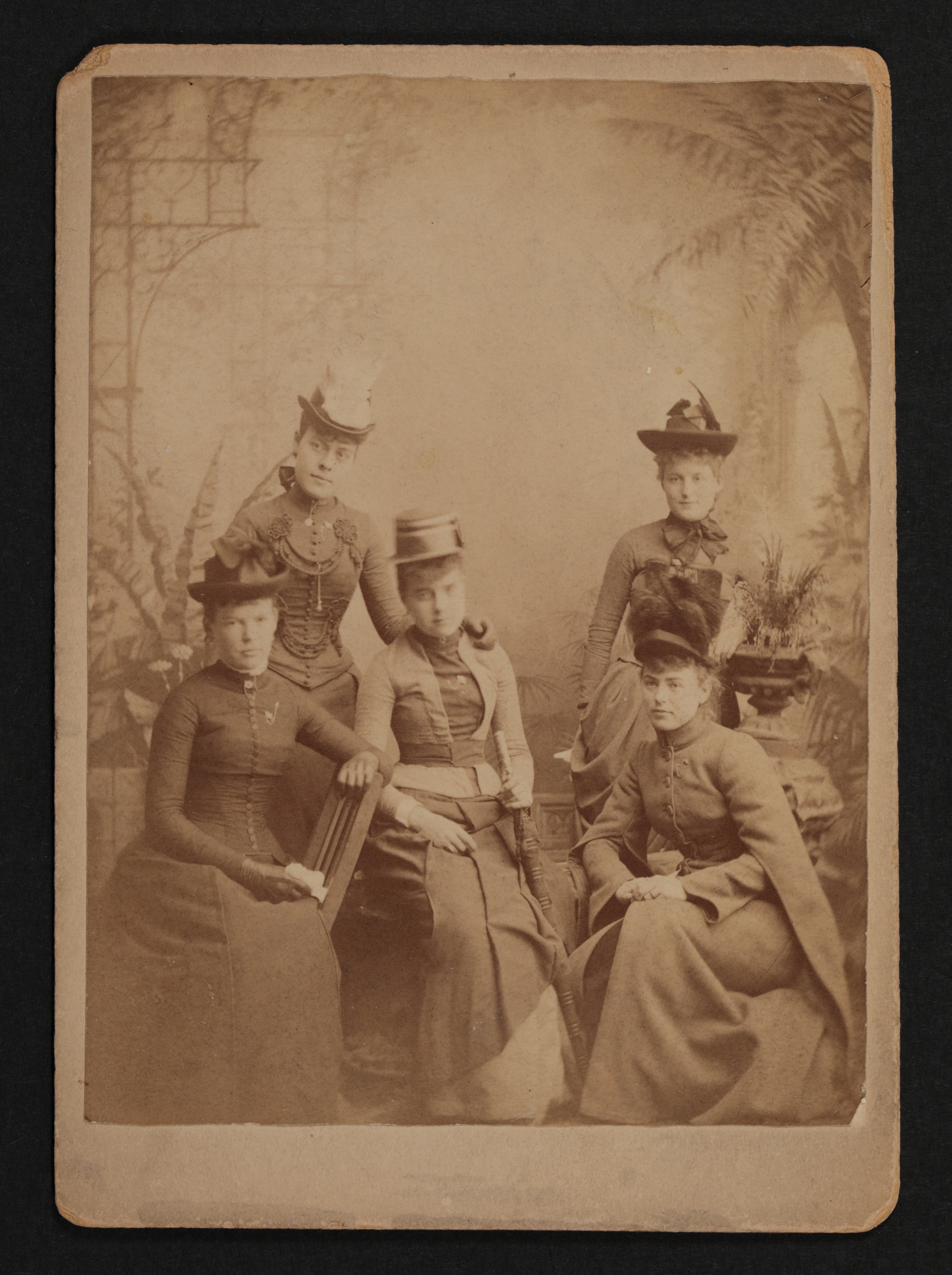
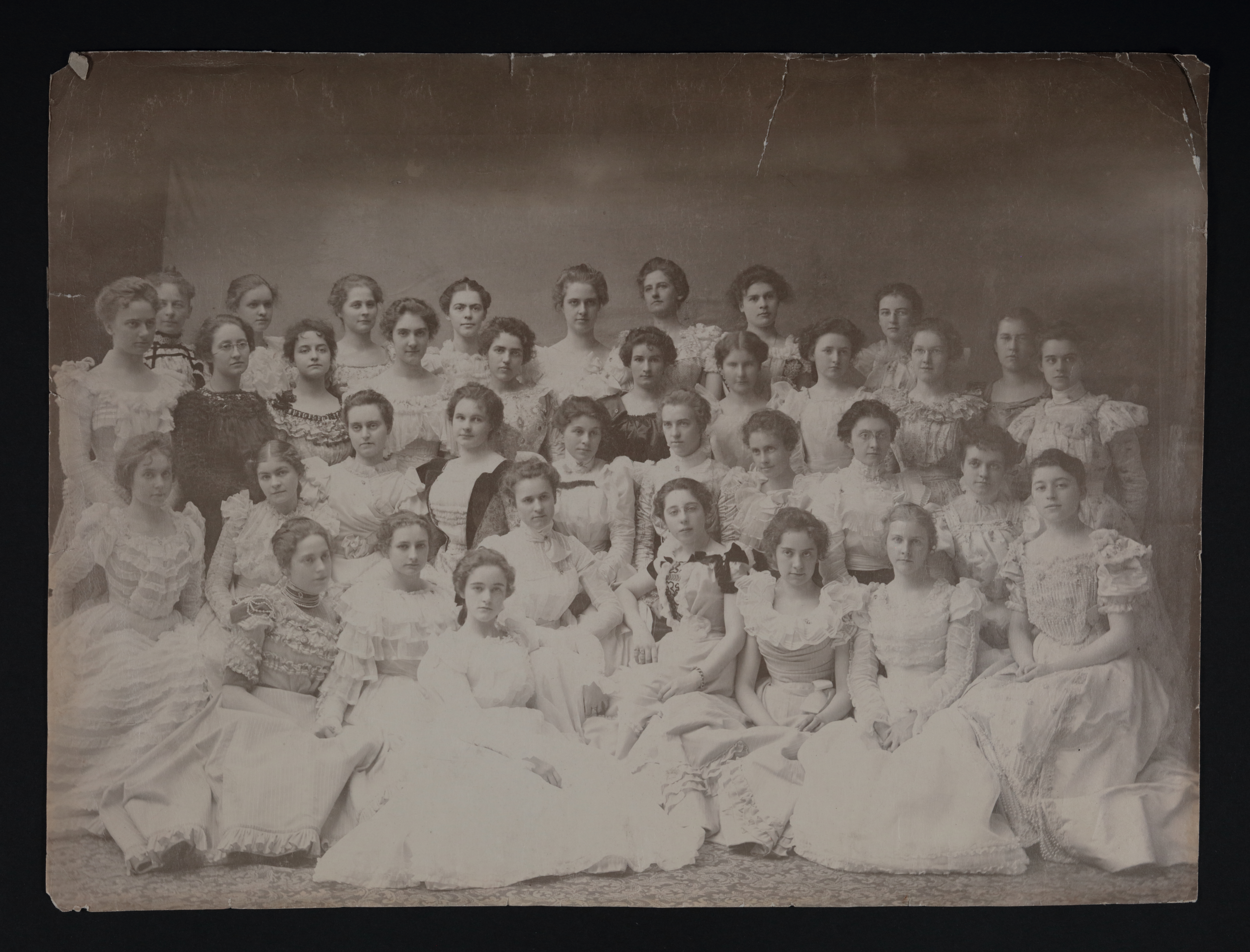
VICTORIAN ERA (1880-1900)
Defined by corsets, bustles and highly structured silhouettes that emphasized formality and decoration.
College women in this period balanced tradition with practicality. Daily wear often included structured bodices, corsets and long skirts, but campuses saw a growing shift toward shirtwaists, wool skirts and plainer fabrics.
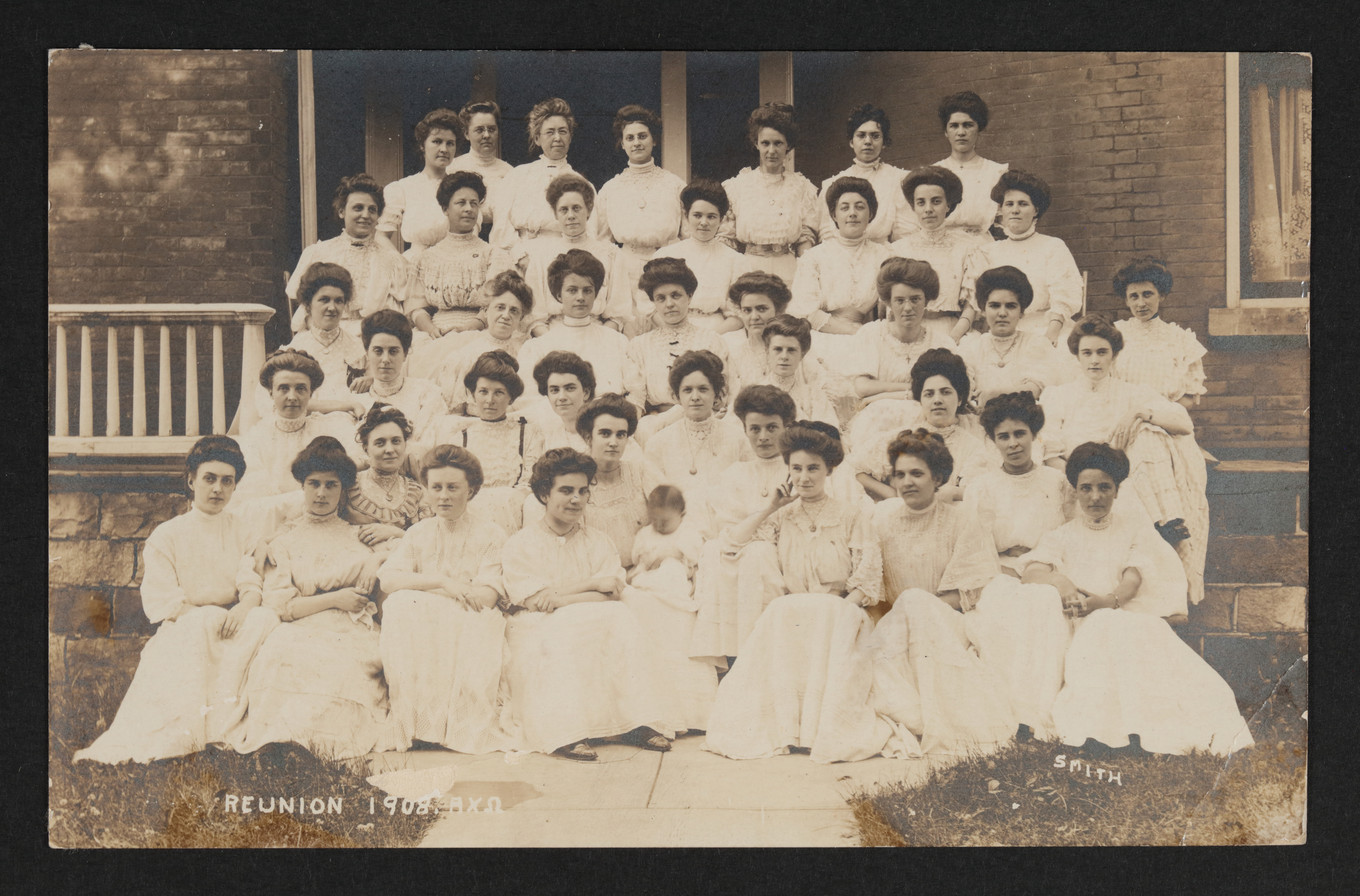
EDWARDIAN ERA (1900-14)
An age of elegance marked by the S-curve silhouette, airy lace and lavish hats.
Edwardian style features soft, flowing skirts, lace blouses and the signature S-curve silhouette. Young women adopted these trends but also embraced more functional walking skirts, lighter fabrics and tailored separates as sports and outdoor social activities became a bigger part of student life.
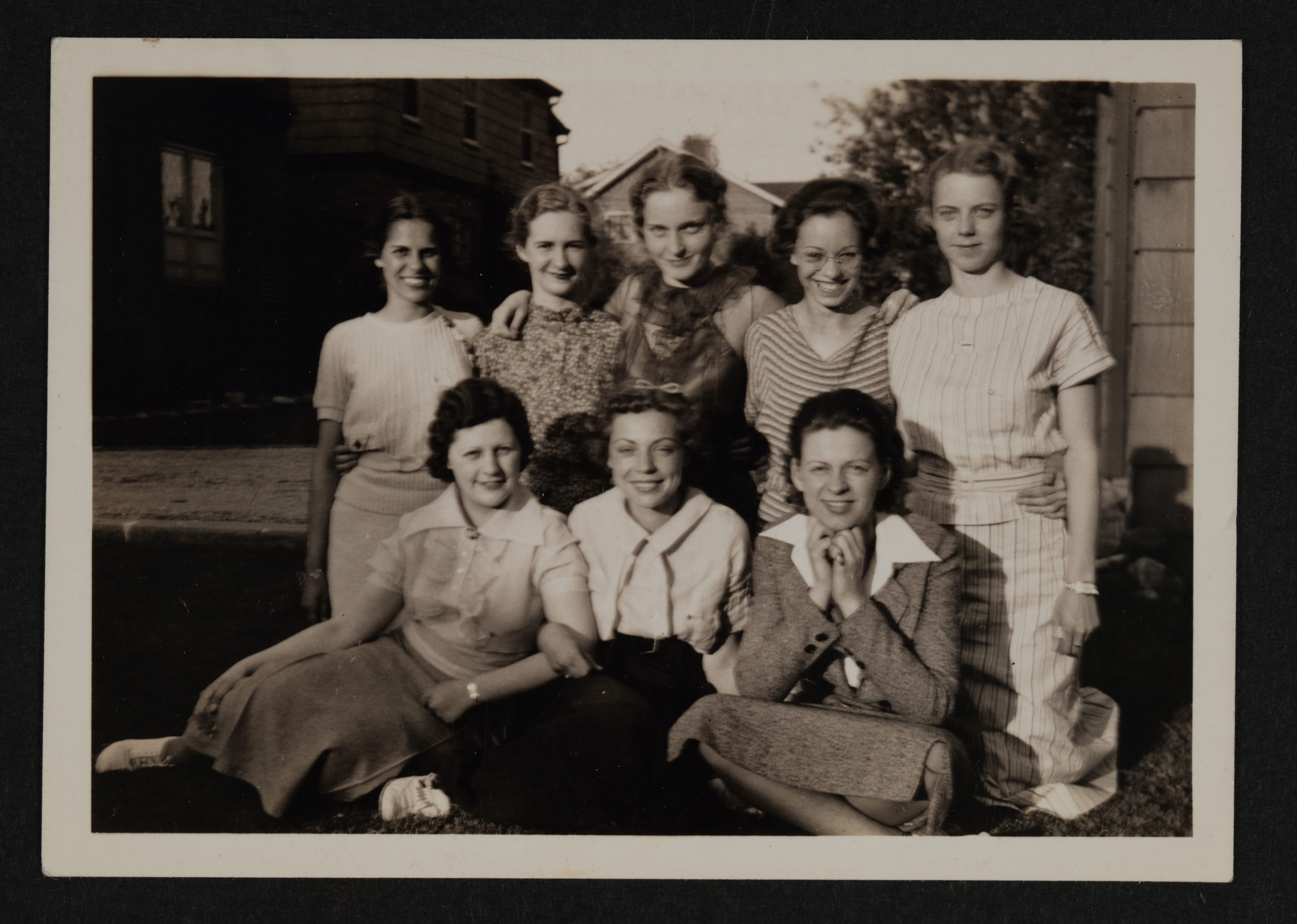
ART DECO (1915-45)
From flapper freedom to wartime utility, styles followed dramatic social change and modernist influence.
Fashion shifted dramatically for college women during these decades. The 1920s brought shorter hemlines, relaxed fits and a modern flair that suited campus independence. By the 1930s and early 1940s, the Great Depression and WWII encouraged sensible wardrobes – tailored suits, sturdy fabrics and simple dresses that reflected economic and cultural change.
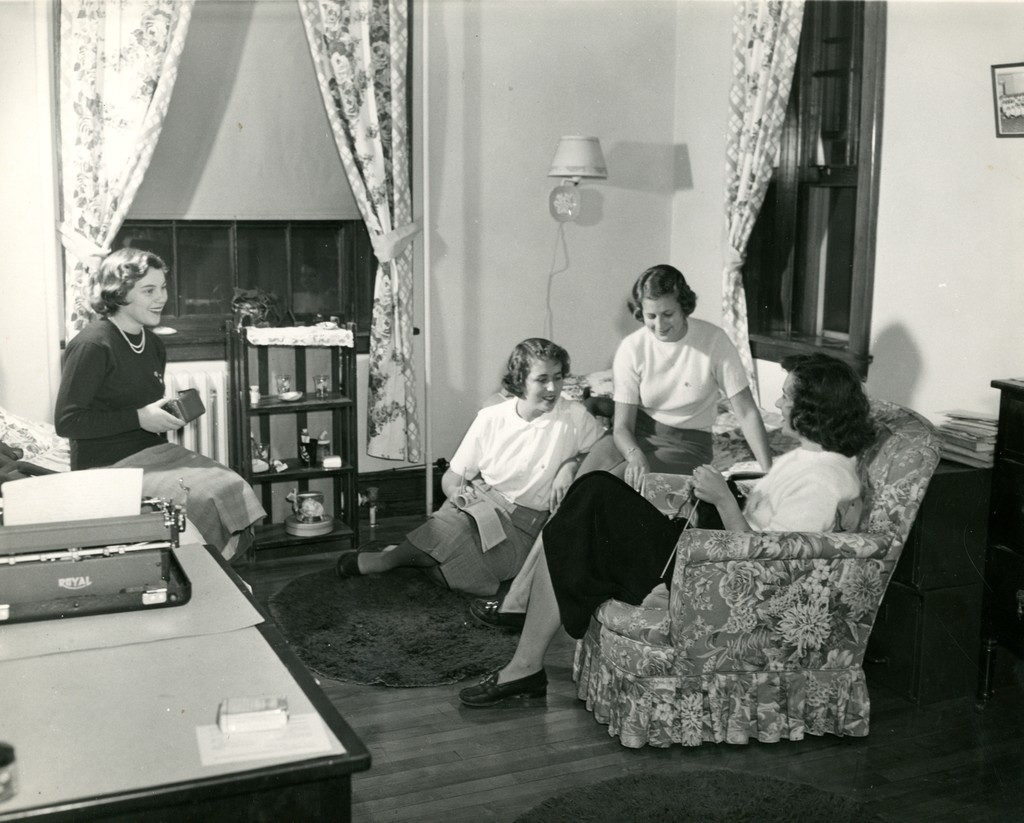
POSTWAR AND YOUTH CULTURE (1946-69)
Women’s fashion exploded with new silhouettes, miniskirts and modern takes.
After WWII, young women returned to more feminine styles, wearing full skirts, fitted waists and polished looks for campus life and social events. By the 1960s, college students became trendsetters, embracing miniskirts, shift dresses, bold patterns and a more youthful, expressive fashion identity.
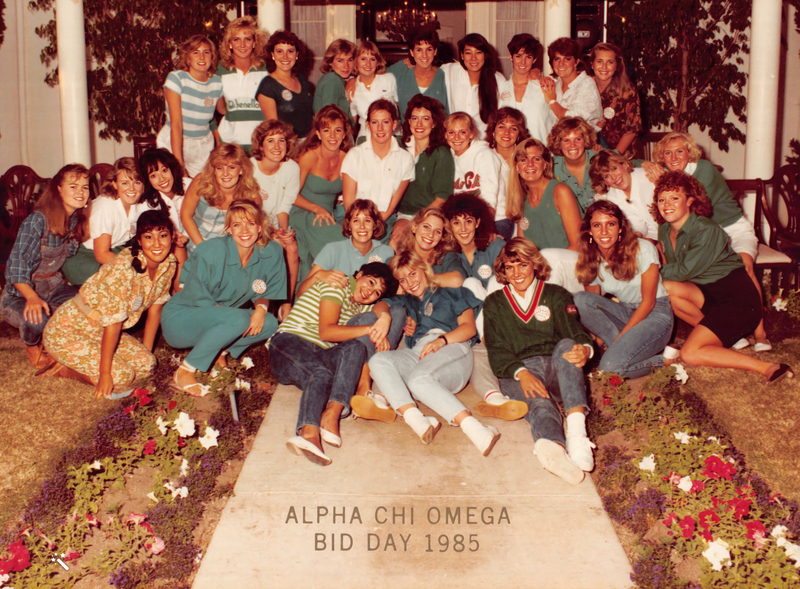
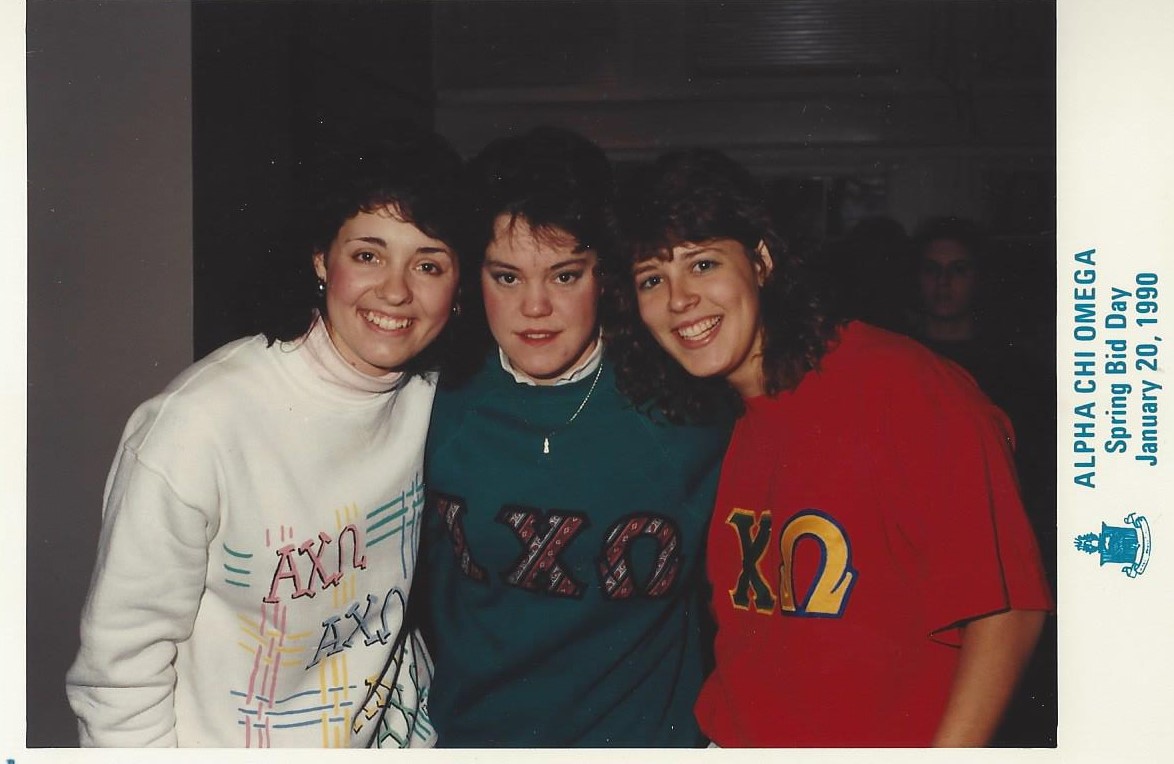
TECHNICOLOR AND DISCO (1970-99)
A vibrant era of experimentation, from 70s glam to 80s power dressing to 90s minimalism and grunge.
College fashion in these decades varied widely. The 1970s favored denim, groovy prints and relaxed silhouettes. The 1980s brought bright colors, athleisure and the mix of casual and power pieces. The 1990s introduced minimalist staples like slip dresses, flannel and simple tees that shaped student style.
Y2K (2000-09)
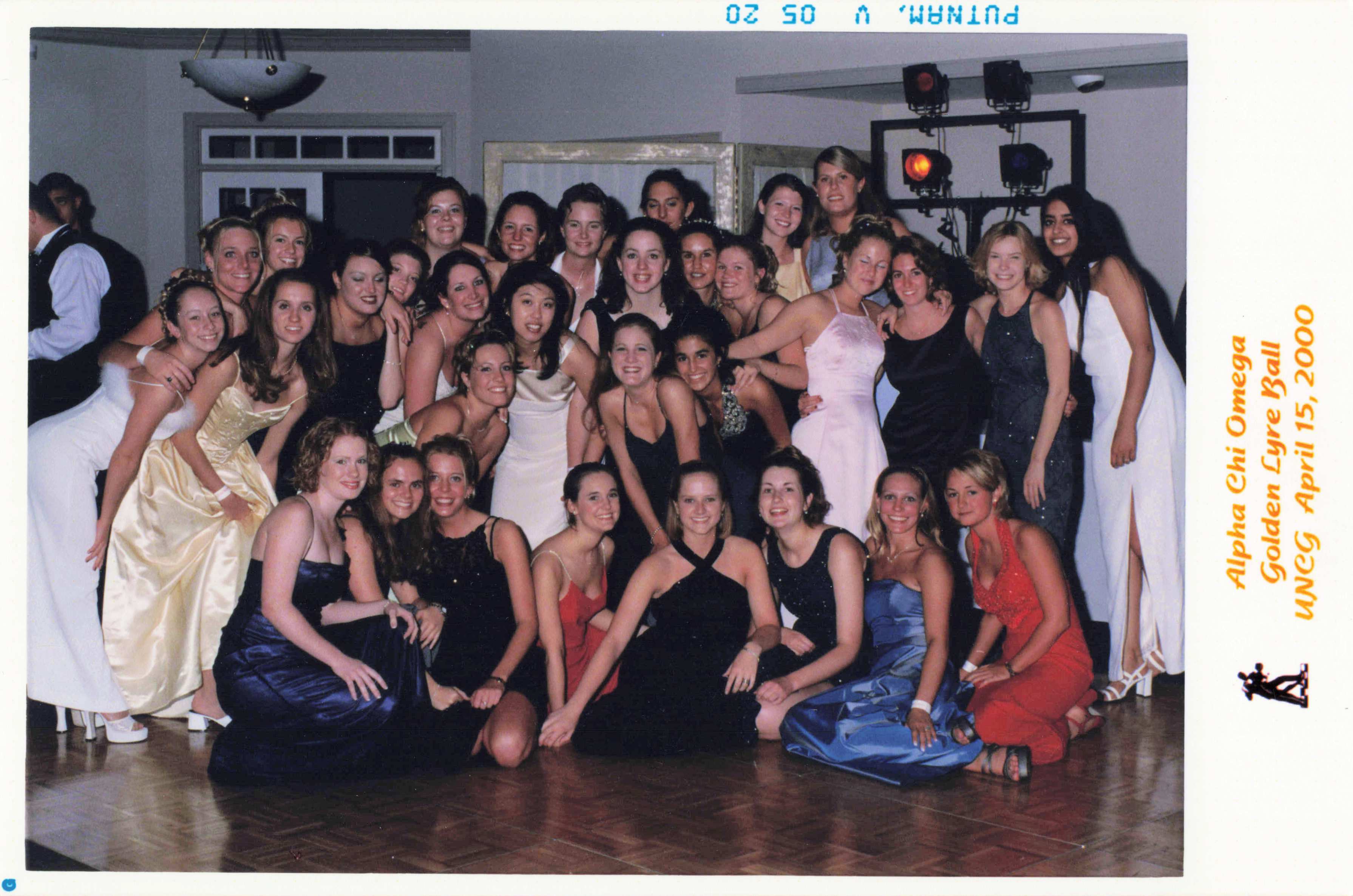
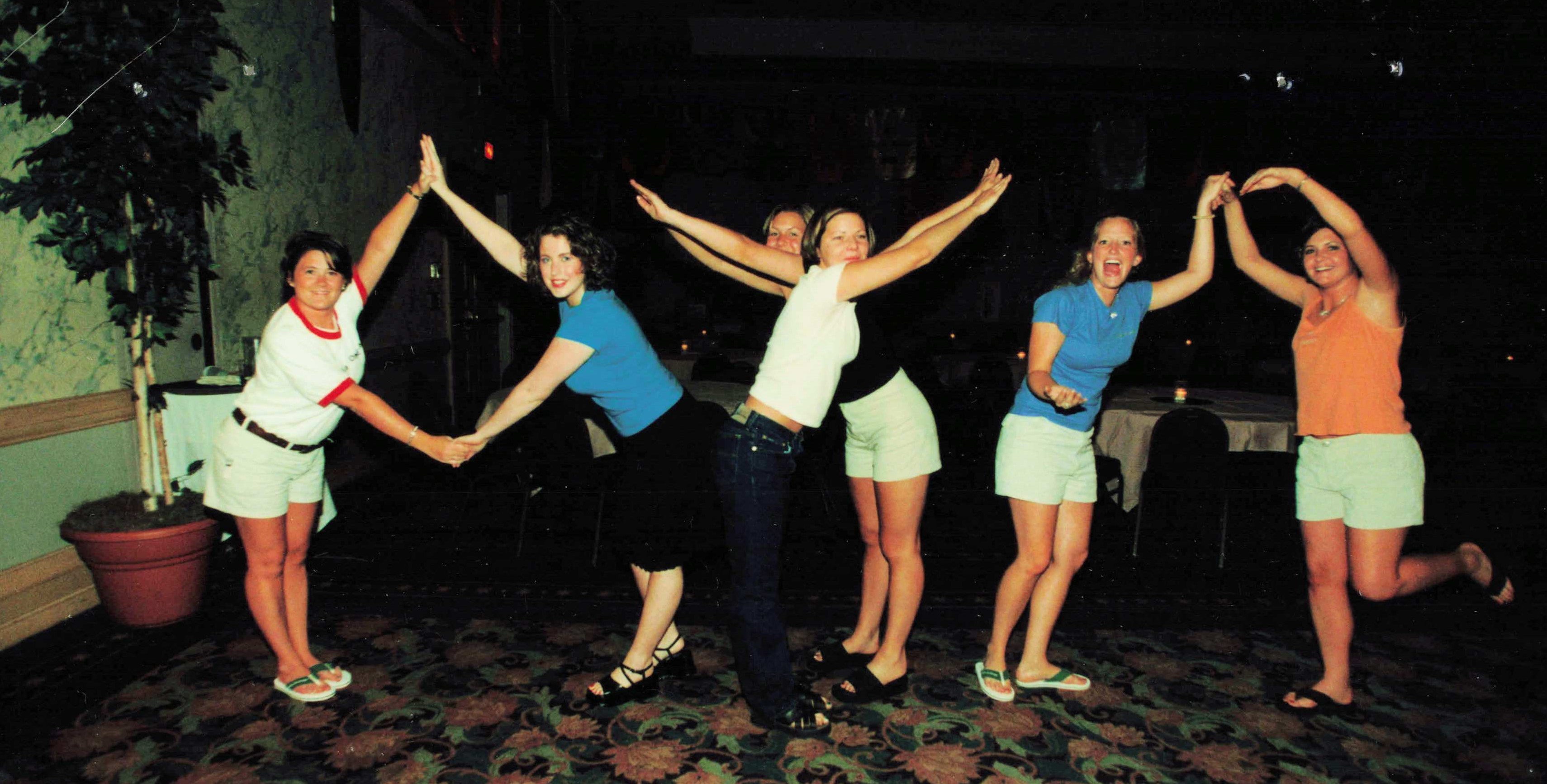
Low-rise everything and pop culture dressing shaped a new millennium aesthetic.
For young women in the early 2000s, fashion reflected the glossy, pop-driven culture of the era. Low-rise jeans, baby tees, velour tracksuits, bold accessories and fast-fashion trends made it easy to shift between casual campus wear and fun fashion looks.
INTERNET AGE (2010-25)
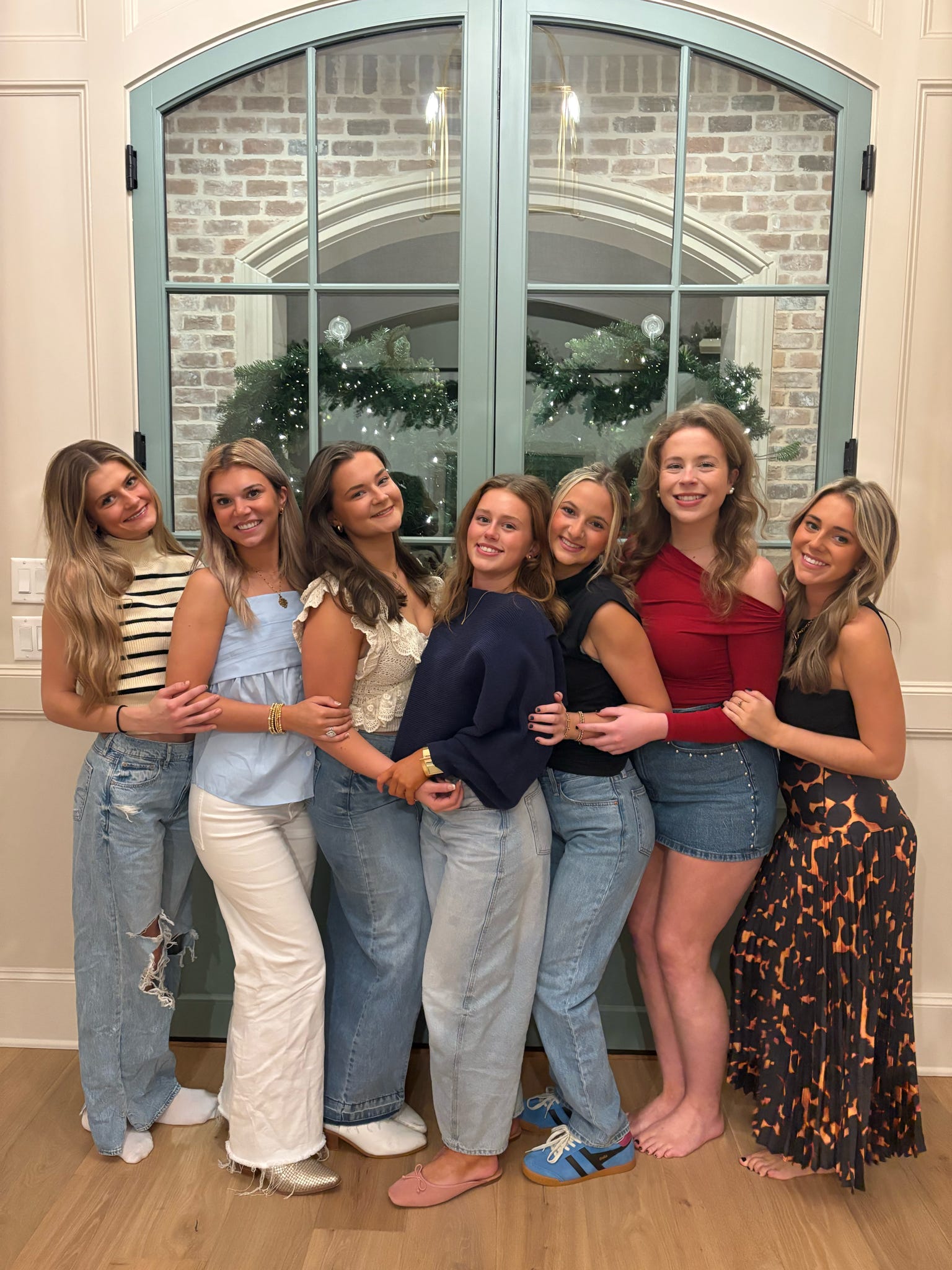
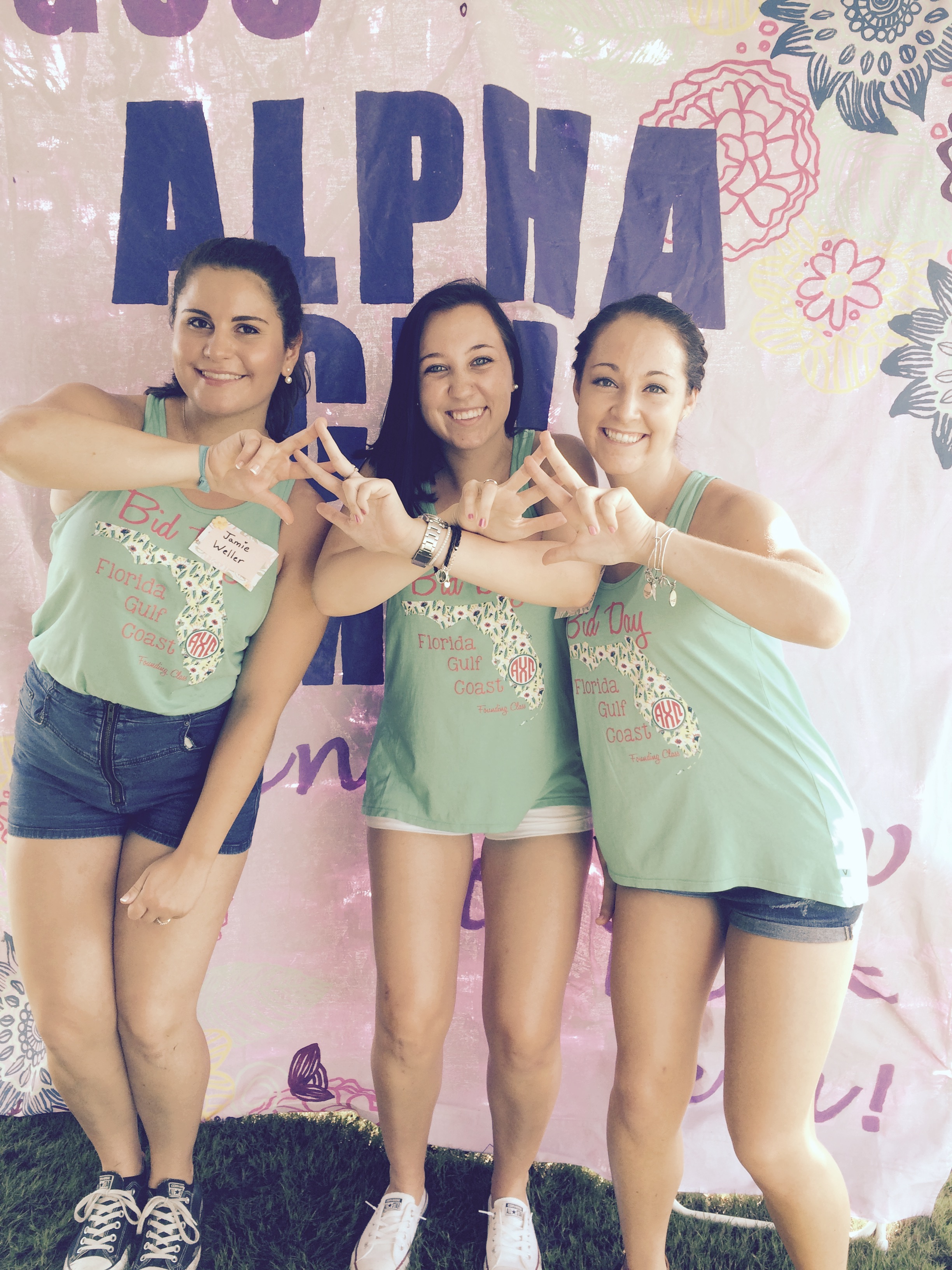
Social media makes trends instant, global and fast-moving.
Digital culture has transformed campus style, with social media driving quick-moving trends and influencing what students wear day-to-day. At the same time, the Internet Age has fueled a revival of earlier decades: 1990s-inspired minimalism and the flashy looks of Y2K repeatedly resurface as students reimagine old trends for a new generation.
Every era brought its own flair, but no matter the decade, Alpha Chi Omegas have always found ways to make fashion uniquely theirs. Which era is your favorite?